
Hey there, if you’re new to crypto or just curious about what’s next, 2026 looks like an exciting time to get involved. The space is shifting from pure speculation to real-world tools—like easier payments and smarter investments—that could touch everyday life. But it’s still volatile, so starting slow and informed is key. That’s why I’ve put together this guide on the top crypto trends 2026.
Disclaimer: This article on the top crypto trends for 2026 is for informational purposes only and should not be taken as financial, investment, or legal advice. Cryptocurrency markets are highly volatile, and investing in them involves significant risks, including the potential for complete loss of capital. Always conduct your own thorough research and consult with qualified professionals before making any decisions. The views expressed here are based on current trends and predictions, but the crypto space evolves rapidly, and past performance or forecasts do not guarantee future results. We make no representations or warranties about the accuracy or completeness of the information provided.
Top Crypto Trends 2026: What Beginners Need to Watch
As we kick off 2026, cryptocurrency is maturing quickly, with big institutions pouring in billions through ETFs and clearer rules making it feel safer. After 2025’s rollercoaster, experts from Bitwise, Grayscale, and Galaxy predict even stronger institutional adoption ahead—potentially turning crypto into a normal part of investment portfolios—though surprises and risks remain. For beginners, this means more stable opportunities to learn and explore. We’ll cover the top crypto trends 2026 in plain language, showing how institutional moves could supercharge them, while highlighting risks to stay smart.
1. Stablecoins: The Steady Bridge to Everyday Money
Imagine having a dollar in your digital wallet that doesn’t swing wildly like Bitcoin. That’s what stablecoins are all about—they’re pegged to real money, like the US dollar, to keep things calm. In 2026, they’re set to explode in popularity for payments and more. For instance, you could send cash to a friend overseas without hefty bank fees, or even pay for groceries seamlessly.
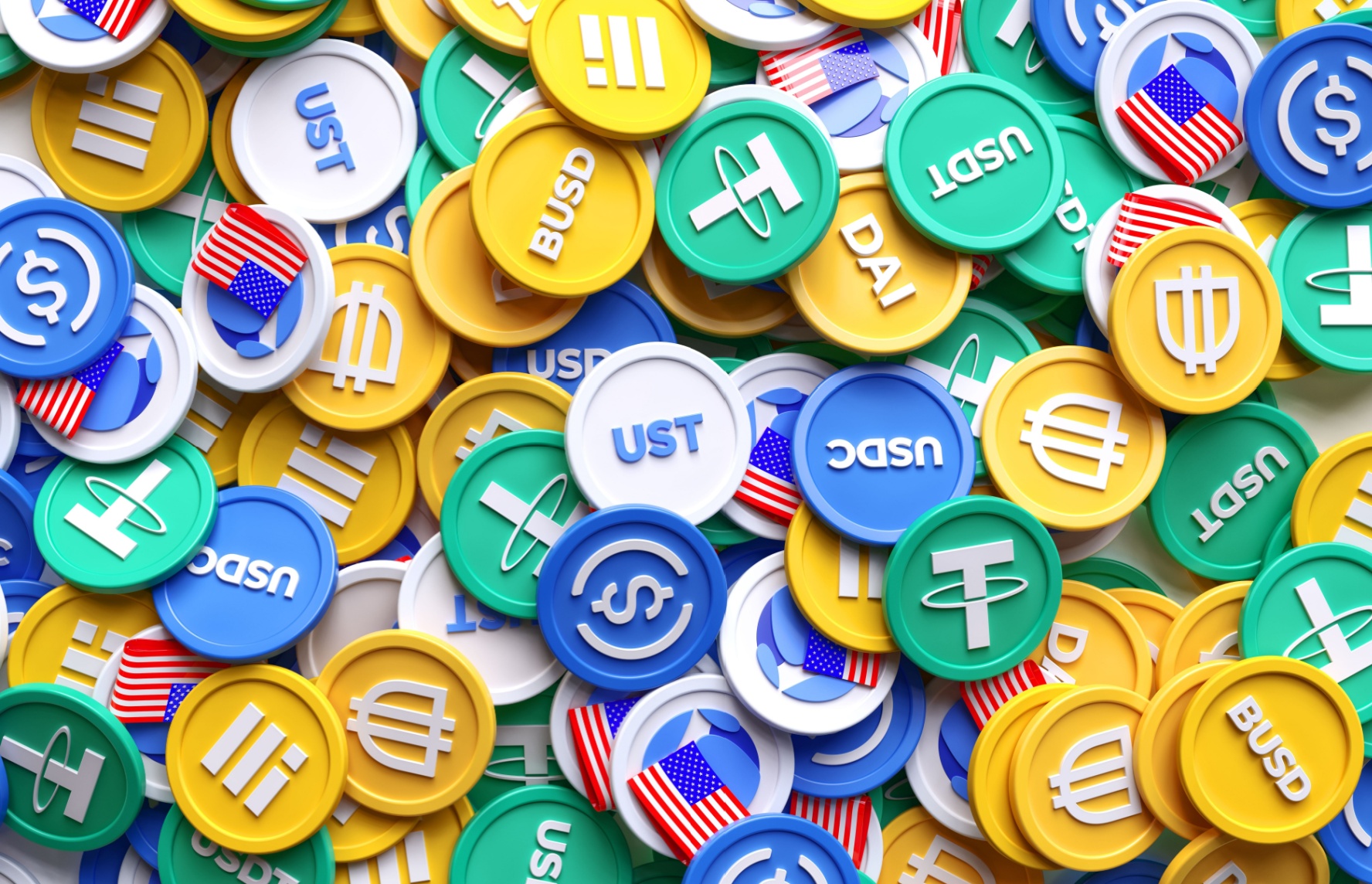
But why now? Well, as more companies warm up to crypto, stablecoins are becoming the go-to for quick, cheap transactions. Take Coinbase’s report—they highlight how these coins are already handling billions in real-world uses, like cross-border payments. Additionally, with regulations getting clearer, big banks might jump in, making stablecoins feel as safe as your regular bank account. However, there’s a flip side: if something goes wrong, like a hack, it could shake trust. Still, for beginners, starting with stablecoins like USDT or USDC is a gentle way in—they let you explore without the big price risks.
On top of that, think about how this ties into global trade. In places where traditional banking is spotty, stablecoins could fill the gap, helping people access finance easier. Galaxy Research predicts stablecoins might even overtake some old payment systems, like ACH transfers. So, if you’re new, keep an eye on apps that use these for daily stuff—it could make crypto feel less like gambling and more like practical money.
2. Tokenizing Real-World Assets: Turning Stuff into Digital Shares
Next up, picture owning a tiny piece of a fancy apartment or a famous painting without needing millions. That’s the magic of real-world asset (RWA) tokenization. Basically, it means taking physical things—like real estate, bonds, or even art—and turning them into digital tokens on a blockchain. In 2026, this trend is expected to boom, making investments more accessible to everyday folks.
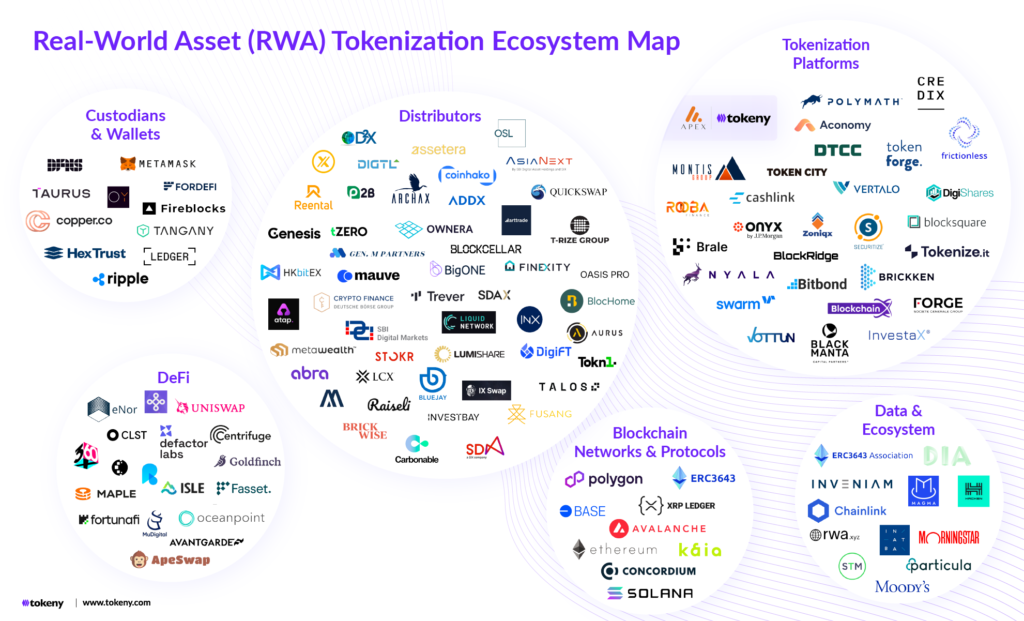
Why does this matter? For starters, it breaks down barriers. Traditionally, these assets are for the wealthy, but tokenization lets you buy fractions, like shares in a stock. Bitwise Investments sees this as a key growth area, with tokenized treasuries becoming a backbone for decentralized finance (DeFi). Moreover, it adds liquidity—meaning you can sell your piece quickly, unlike waiting months for a house sale.
However, it’s not all smooth sailing. Regulations are still catching up, and security is crucial to prevent fraud. That said, a16z crypto points out we’ll see more “origination” of these assets, not just wrapping old ones, which could spark innovation. For beginners, this means dipping into platforms that offer tokenized stocks or funds—it’s like investing in the real world but with crypto’s speed. Just start small and learn the ropes.
To give you a better sense, here’s a quick table comparing traditional assets to tokenized ones:
| Aspect | Traditional Assets | Tokenized RWAs |
|---|---|---|
| Accessibility | Often requires large sums | Buy fractions with small amounts |
| Liquidity | Slow sales (e.g., weeks for property) | Trade instantly on blockchain |
| Costs | High fees from brokers | Lower transaction costs |
| Global Reach | Limited by location | Anyone with internet can participate |
| Risks | Market volatility, paperwork | Tech hacks, regulatory changes |
As you can see, tokenization could democratize investing, but always weigh the pros and cons.
3. AI and Crypto: A Smart Team-Up for the Future
Now, let’s shift gears to something futuristic: artificial intelligence (AI) blending with crypto. Think of AI as a super-smart helper that can analyze data, predict trends, or even automate trades. In 2026, this combo is likely to heat up, making crypto more user-friendly and efficient.

For example, AI agents—little programs that act on their own—could handle payments or investments for you. SVB’s outlook mentions how AI will impact digital commerce, with apps that feel like modern banking but run on blockchain. Additionally, in areas like robotics or data analysis, crypto provides the secure backbone while AI adds the brains. Galaxy forecasts AI agents in prediction markets or DeFi, where they could resolve bets automatically.
But here’s the thing: while this sounds cool, it raises questions about jobs and ethics. Will AI take over too much? Probably not overnight, but it’s worth thinking about. For beginners, start with AI-powered wallets or trading tools—they can suggest moves without you being an expert. However, always double-check, as AI isn’t perfect.
Furthermore, this trend ties into bigger ideas, like machine-native economies where robots pay each other in crypto. LBank Labs highlights this as a core shift. So, if you’re curious, explore projects like those on Ethereum or Solana that mix AI and blockchain—it’s where innovation is bubbling.
4. Prediction Markets: Betting on the Real World with Crypto
Disclaimer: The discussion of prediction markets in this article is purely educational and does not endorse or recommend participating in them. Prediction markets involve wagering on future events using cryptocurrency, which carries high risks similar to gambling, including the potential for substantial financial loss. These activities may be restricted or illegal in certain jurisdictions—always check local laws before engaging. We advise against using prediction markets if you have a history of gambling issues, and seek help from resources like gambling helplines if needed. No outcomes are predictable, and external factors can influence results unpredictably.
Speaking of fun twists, prediction markets are another trend to watch. These are like online bets where you wager on events—will it rain tomorrow? Who wins the election?—using crypto. In 2026, they’re expected to grow bigger, thanks to better tech and more users.

Why the hype? They turn opinions into markets, revealing what crowds think. Coinbase predicts volumes will broaden, attracting pros beyond just crypto fans. Moreover, with AI helping resolve bets fairly, platforms like Polymarket could become household names. a16z sees them intersecting with news and AI for smarter, real-time updates.
That said, they’re not without controversy—some worry about misinformation or gambling risks. So, approach as entertainment, not a get-rich scheme. For beginners, try small stakes on simple events to learn. However, as Galaxy notes, weekly volumes might hit billions, showing real potential. It’s a way to engage with crypto while following world news.
5. Privacy Tech: Keeping Your Data Safe in a Transparent World
Finally, as crypto grows, so does the need for privacy. Blockchains are public by nature, like an open ledger, but that’s changing. In 2026, tools like zero-knowledge proofs—fancy ways to prove something without revealing details—could become standard.

This matters because more data means more risks, like hacks or tracking. Galaxy predicts privacy coins’ market cap will top $100 billion. Additionally, a16z calls privacy the biggest moat, protecting users in a crowded space. For beginners, this means safer wallets and transactions, especially in DeFi.
But there’s debate: too much privacy could aid bad actors, so balance is key. Still, projects like Monero or new chains are leading the way. If you’re starting out, look for privacy-focused apps—they add peace of mind.
In wrapping up, these top crypto trends 2026—stablecoins, RWA tokenization, AI integration, prediction markets, and privacy tech—paint a picture of a more mature, useful crypto world. However, remember, the space is unpredictable. Start slow, learn as you go, and stay curious. Who knows? You might find something that clicks. If you have questions, dive deeper into the sources below. Happy exploring!
Key Citations:
- Bitwise Investments’ 10 Crypto Predictions for 2026
- a16z Crypto’s 17 Things Excited About for 2026
- Galaxy Research’s 26 Bold Predictions for Crypto in 2026
- SVB’s Future of Crypto: 5 Predictions for 2026
- Coinbase Institutional’s Crypto Market Predictions for 2026
- LBank Labs’ 2026 Crypto Market Outlook
Disclaimer: This article is for educational purposes only and is not financial advice. Cryptocurrency is highly volatile and risky. Only invest money you can afford to lose. Past performance is no guarantee of future results. Always do your own research and consider consulting a qualified financial advisor.
