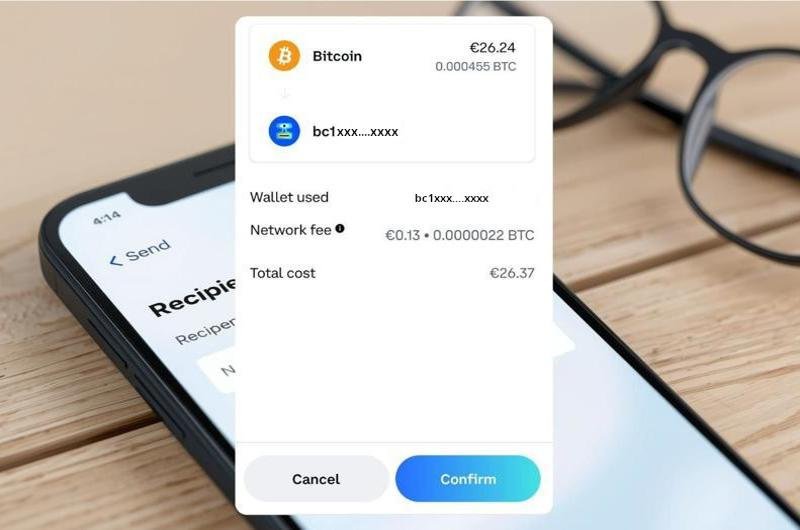
Sending your first crypto transaction can feel scary—like handing cash to a stranger with no receipt. But once you know a few simple rules, it becomes straightforward and much less stressful. Crypto moves fast and can’t be undone like a bank transfer, so the goal is to stay safe and avoid losing money to silly mistakes.
This guide explains how to send crypto safely step by step so you avoid losing money to simple errors. We’ll use everyday words, no fancy tech terms. I’ll include the best tricks beginners use in 2026 to stay protected.
Your Pre-Flight Checklist
✓ Match the Networks: Ensure both sender and receiver are on the same “road” (e.g., Bitcoin to Bitcoin).
✓ The Prefix Check: Look for and remove “bitcoin:” or “ethereum:” from the start of scanned addresses.
✓ First 4 & Last 4: Verify the beginning and end of the address match your source.
✓ Test Small: Send $5-$10 first to confirm it arrives.
Why Crypto Sending Feels Different (and Why That’s Okay)
Imagine mailing a package: if you write the wrong address, the package vanishes forever—no customer service can bring it back. Crypto works the same way. Once sent, it’s gone for good unless the receiver sends it back. That’s why we double-check everything.
The three biggest ways beginners lose money:
- Sending to the wrong type of address (like Bitcoin to an Ethereum spot).
- Typing one wrong letter in a long address.
- Falling for tricks where scammers make addresses look almost the same.
But you can dodge all of these with a short checklist.
Your Beginner’s Checklist: Send Safely Every Time
Follow these steps before you hit “send” on any amount.
1. Match the Networks – Like Matching Phone Carriers
Crypto lives on different “roads” (called blockchains or networks). Bitcoin uses its own road. Ethereum uses another. You can’t send a Bitcoin package down the Ethereum road—it gets lost forever.
| If you are sending… | Make sure the Network is… | The address should look like… |
| Bitcoin | Bitcoin (Mainnet) | Starts with 1, 3, or bc1 |
| Ethereum | Ethereum (ERC-20) | Starts with 0x |
| Solana | Solana | Long string of random letters |
Analogy: You can’t text someone on Verizon if they’re on iMessage only. The message never arrives.
Pro tip I recommend: If you’re not 100% sure about the network, search the address on a site like a blockchain explorer (e.g., type it into Blockchair.com or Etherscan.io). It will show what kind of crypto it belongs to.
2. Handle the “Prefix Trap” When Scanning QR Codes
Some QR codes (those square barcodes) include extra words like “bitcoin:” or “ethereum:” before the real address. Modern wallets like MetaMask or Coinbase Wallet usually ignore those extra bits automatically. But older apps, some exchange deposit screens, or certain mobile wallets might not.
❌ bitcoin:bc1qa5gddtksela0p3fa0t2l3m9nwt5anzej53eulj
✅ bc1qa5gddtksela0p3fa0t2l3m9nwt5anzej53eulj
What happens? The app sees “bitcoin:bc1…” as the whole address → it thinks it’s invalid → you get errors like “wrong network” or it fails to send.
How to fix it:
- After scanning the QR, look at what shows in the “To” or “Recipient” box.
- It should be a clean address (starts with bc1… or 0x…, no “bitcoin:” or “ethereum:”).
- If you see the extra word, delete it manually. Copy just the real address part from the original source (website, message, etc.) and paste it fresh.
- Even better: Skip QR scanning if you’re nervous—copy and paste the address text instead.
This catches a surprising number of frustrations, especially when moving between different apps.
3. Use the “First 4 + Last 4” Trick
Crypto addresses are long (30–60 characters of random letters and numbers). No one reads the whole thing—your eyes trick you.
Rule: Only check the first 4 characters and last 4 characters. If they match exactly what the receiver gave you, it’s almost certainly the right address (the odds of a fake matching both ends are tiny).
Many wallets now show these first/last bits during confirmation—actually look at them!
Bonus protection: Scammers sometimes send you a tiny “test” payment from an address that looks similar to one you used before (called address poisoning). You copy from history without thinking. Always go back to the original message or site for the address, not your transaction history.
4. Always Do a Tiny Test Send First
This is the #1 rule experienced people follow—and it saves thousands.
Before sending $500 or more:
- Send a small amount first: $5–$20 (enough to see it arrive, but not painful if lost).
- Wait and check: Does the receiver’s wallet show the extra money? (Give it time—Bitcoin can take 10–60 minutes; Ethereum is faster.)
- Confirm it’s on the right network and everything looks good.
- Then send the rest.
Yes, you pay fees twice. But fees are usually cheap ($1–$5), and it’s cheap insurance against losing everything.
In 2026, with networks sometimes busy, test sends are even smarter—catch high fees or delays early too.
Quick Step-by-Step: Your First Send
- Open your wallet or exchange app.
- Choose “Send” or “Withdraw.”
- Pick the crypto (make sure it matches what you’re sending).
- Paste (or carefully type) the receiver’s address.
- Check: Right network? First 4 + last 4 match? No weird prefix?
- Enter a small test amount ($5–$10).
- Review the fee and total.
- Send and wait.
- Receiver confirms receipt.
- If good → send the full amount.
Final Thoughts
Crypto isn’t hard—it’s just unforgiving of small mistakes. Treat every send like mailing cash: check twice, test small, stay calm.
Start with tiny amounts until it feels normal. Most people never lose funds once they get these habits.
You’ve got this. Your first successful send will feel great—and from there, it’s smooth sailing.
If something feels off, stop and ask (in a trusted community or support chat). Better safe than sorry.
Continue Learning
The Safety & Scams in Crypto Hub is a practical, beginner-friendly guide that teaches you how to spot and avoid the most common crypto scams and security mistakes so you can participate safely as you continue learning.
Disclaimer: This article is for educational purposes only and is not financial advice. Cryptocurrency is highly volatile and risky. Only invest money you can afford to lose. Past performance is no guarantee of future results. Always do your own research and consider consulting a qualified financial advisor.
