You’ve probably overheard folks chatting about scoring “free crypto” while catching some Z’s. Sounds like a dream, huh? Well, that’s the magic of crypto staking in a nutshell—though, let’s be real, it’s not quite that effortless. If you’re itching to get your digital assets working overtime instead of just chilling in your wallet, you’ve landed in the perfect spot. This guide will break down crypto staking from the ground up, helping you navigate the ups, downs, and everything in between.
Table of Contents
What Is Crypto Staking, Really?
Imagine crypto staking as popping your money into a high-yield savings account, but swap the bank for a blockchain network. When you stake your cryptocurrency, you’re essentially committing it—locking it away for a bit—to help keep the network humming by validating transactions. In exchange? You pocket rewards, often in the form of more of that same crypto.
This all runs on a system called Proof of Stake (PoS). Unlike Bitcoin’s power-guzzling Proof of Work mining, PoS chains like Ethereum, Cardano, and Solana lean on stakers to maintain security and smoothness. The bigger your stake, the higher your odds of getting picked to verify blocks and snag those rewards. It’s a smarter, greener way to keep things running, and crypto staking lets you jump right in without fancy gear.
The Big Appeal (And Why Everyone’s Talking About It)
The hype is real, and the numbers back it up. Depending on your pick, crypto staking rewards can hit anywhere from 2% to over 20% annually—way better than the measly sub-1% from most traditional savings accounts. It’s like your crypto is out there hustling while you binge-watch your favorite show.
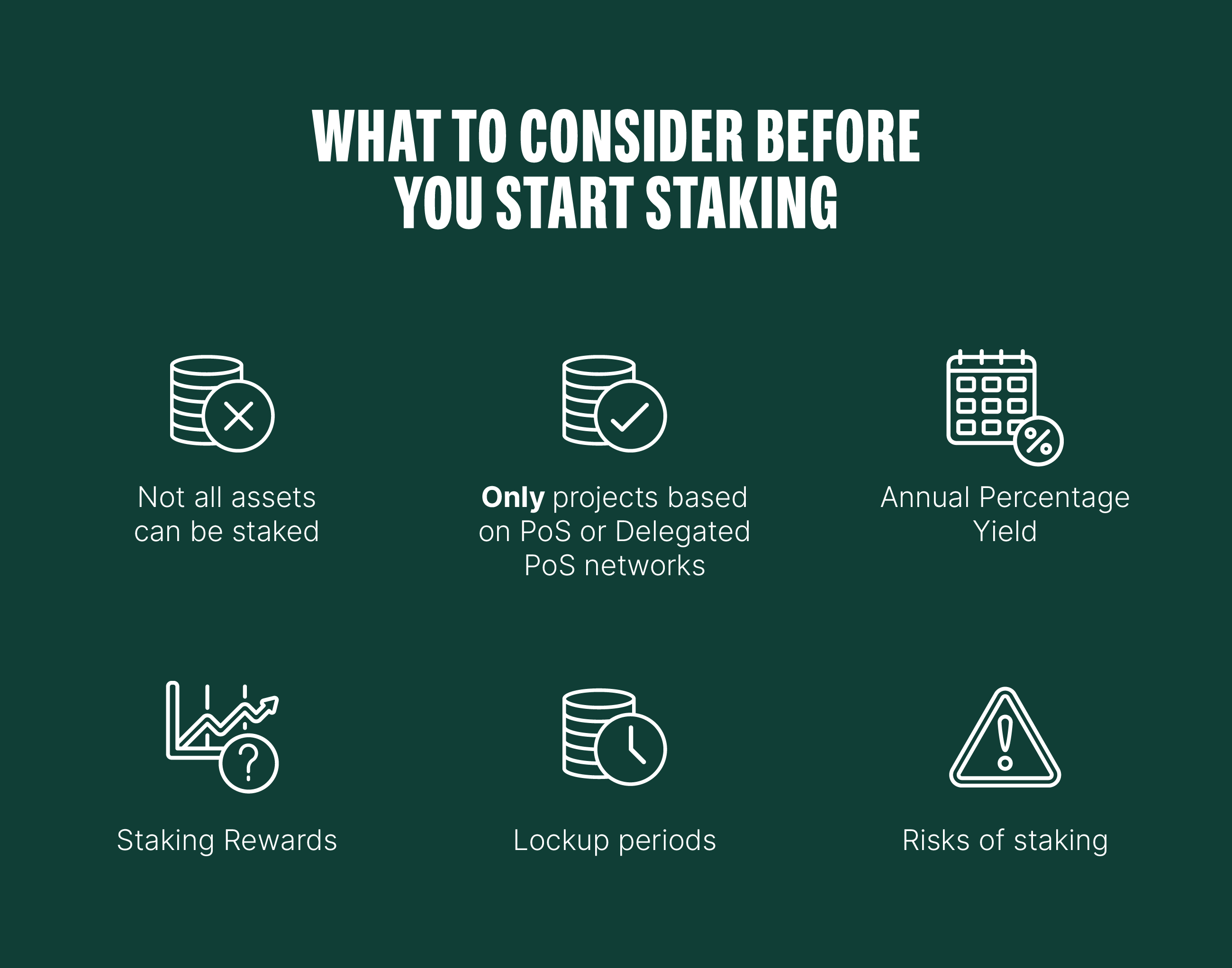
But it’s not just about the cash. Crypto staking gives you a stake (pun intended) in the game—you’re bolstering the blockchain’s security and decentralization. No need for pricey mining rigs or tech wizardry; it’s an accessible entry into the crypto world for everyday folks like us.
The Reality Check: What Most Platforms Won’t Spill Upfront
Alright, let’s get honest—crypto staking isn’t all rainbows. After poking around top platforms, I’ve uncovered some gotchas that could trip up newbies.
Fee Structures Are Wildly Varied
One of the biggest surprises? The fees. Many platforms advertise attractive returns, but they take a hefty cut. Here’s what the major exchanges actually charge as of 2026:
- Coinbase: 25% for Ethereum, 35% for most other assets (institutional users may get Ethereum at 10%)
- Gemini: 15% across the board—one of the more competitive rates among major exchanges
- Binance.US: Anywhere from 9.95% to 39.95%, depending on which cryptocurrency you’re staking
So, that advertised 15% APY? After a 25-35% cut, you’re netting closer to 10% or less. Some show gross rates (pre-fee), others net—always double-check. Plus, factor in gas fees for staking/unstaking, withdrawal charges, and occasional hosting fees for validators.
Your Money Gets Locked Up
This one’s a shocker for many: Crypto staking means your coins are tied up. Can’t just bail if prices tank. Most have a bonding phase to kick off rewards and an unbonding wait to get ’em back.
Here’s the lowdown on popular ones as of 2026:
| Asset | Exit Speed | Beginner Friendliness |
| Cardano (ADA) | Instant | ⭐⭐⭐⭐⭐ (Most flexible) |
| Near (NEAR) | 2 Days | ⭐⭐⭐⭐ (Very fast) |
| Solana (SOL) | 2–3 Days | ⭐⭐⭐⭐ (Predictable) |
| Polygon (MATIC) | 3–4 Days | ⭐⭐⭐ (Standard) |
| Cosmos (ATOM) | 21 Days | ⭐⭐ (Long wait) |
| Polkadot (DOT) | 28 Days | ⭐ (Requires high patience) |
Crypto markets swing hard, so a dip during unbonding—like 35% while waiting 21 days on ATOM—could erase your gains. And heads up: No rewards accrue in unbonding limbo. Plan your exits ahead, folks.
The Slashing Penalty Risk
Slashing? It’s the network’s way of slapping wrists for bad validator behavior—like double-signing or going offline. On Ethereum, it could cost up to your full 32 ETH stake in worst cases. If you’re delegated via a pool, you might lose a chunk too.
The upside? It’s rare on solid networks—think 0.04% of validators slashed on ETH since 2020. Still, it’s a unique risk in crypto staking that sets it apart from stocks or bonds.
How to Start Crypto Staking the Smart Way
Ready to dip your toes? Let’s make it painless—step by step.
Choose Your Cryptocurrency Wisely
Not every coin stakes. Bitcoin? Nope, it’s Proof of Work. Go for vets like Ethereum, Cardano, Solana, Polkadot, Polygon, Cosmos, or Near. Higher market caps and staking participation mean more stability.
Pick the Right Platform for Your Vibe
Options abound, each with pros and cons:
- Centralized Exchanges (e.g., Coinbase, Kraken): Super easy—deposit, click stake, done. But fees bite, and you hand over keys. Great for crypto staking newbies.
- Liquid Staking Platforms (e.g., Lido, Rocket Pool): Get a tradeable token (like stETH) for your stake. Solves lock-up woes but adds smart contract risks. Start small, often with just 0.1 ETH.
- Run Your Own Validator: Max rewards, but needs tech chops, 32 ETH min for Ethereum, and 24/7 uptime. Not beginner turf, but level up to it.
Start Small and Test the Waters
Don’t go all-in. Stake a tiny amount you’re okay locking away. Get the feel for rewards frequency, unstaking, and the whole crypto staking flow. It’s like practice runs before the big game.
Red Flags to Watch Out For
Scout platforms carefully:
- Promised APYs over 20%? Sketchy—sustainable crypto staking rarely hits that.
- Murky fees or lock-ups? Run.
- No track record, audits, or support? Big no.
- Shady ownership or regs? Avoid.
Steer clear of obscure coins; if the project flops, your staked crypto tanks.
Quick Platform Comparison: What to Expect in 2026
Here’s a fresh snapshot of top staking assets (rates fluctuate with network activity):
| Asset | Est. Reward Rate (2026) | Unbonding Period | Key Consideration |
|---|---|---|---|
| Cosmos (ATOM) | ~15-21% | 21 Days | High rewards, longest wait |
| Solana (SOL) | ~4-6% | 2-3 Days | Fast unbonding, solid returns |
| Ethereum (ETH) | ~2-4% | Variable (Days to Weeks) | Most established, exit queue varies |
| Cardano (ADA) | ~2-3% | No Lockup | Lowest rates, max flexibility |
| Polkadot (DOT) | ~11-14% | Up to 28 Days (with fast options) | Good yields, patience needed |
| Polygon (MATIC) | ~2-4% | 3-4 Days | Balanced, growing ecosystem |
| Near (NEAR) | ~8-10% | 2 Days | Quick access, decent APY |
Remember, these are ballparks—network participation, inflation, and markets shift ’em. What you see today might be different in six months.
Quick Note: APR vs. APY – What’s the Difference in Crypto Staking?
Staking platforms love throwing around big yield numbers, but not all are comparing apples to apples. Here’s the breakdown:
- APR (Annual Percentage Rate): The base rate without compounding. It’s what you’d earn if rewards were paid once a year and not reinvested automatically.
- APY (Annual Percentage Yield): The real deal—it factors in compounding (rewards earning more rewards). Since many staking networks compound frequently (daily, per epoch, etc.), APY is almost always higher and gives a truer picture of your yearly earnings.
Example: A 10% APR with daily compounding might hit ~10.52% APY. Always check if the platform quotes APR or APY—most reputable ones use APY for staking rewards.
The Tax Situation Nobody Wants to Think About
Ugh, taxes. Crypto staking rewards count as income the second they hit your wallet, valued at market price then. Sell later? Capital gains on any profit. It’s like double-dipping for the taxman.
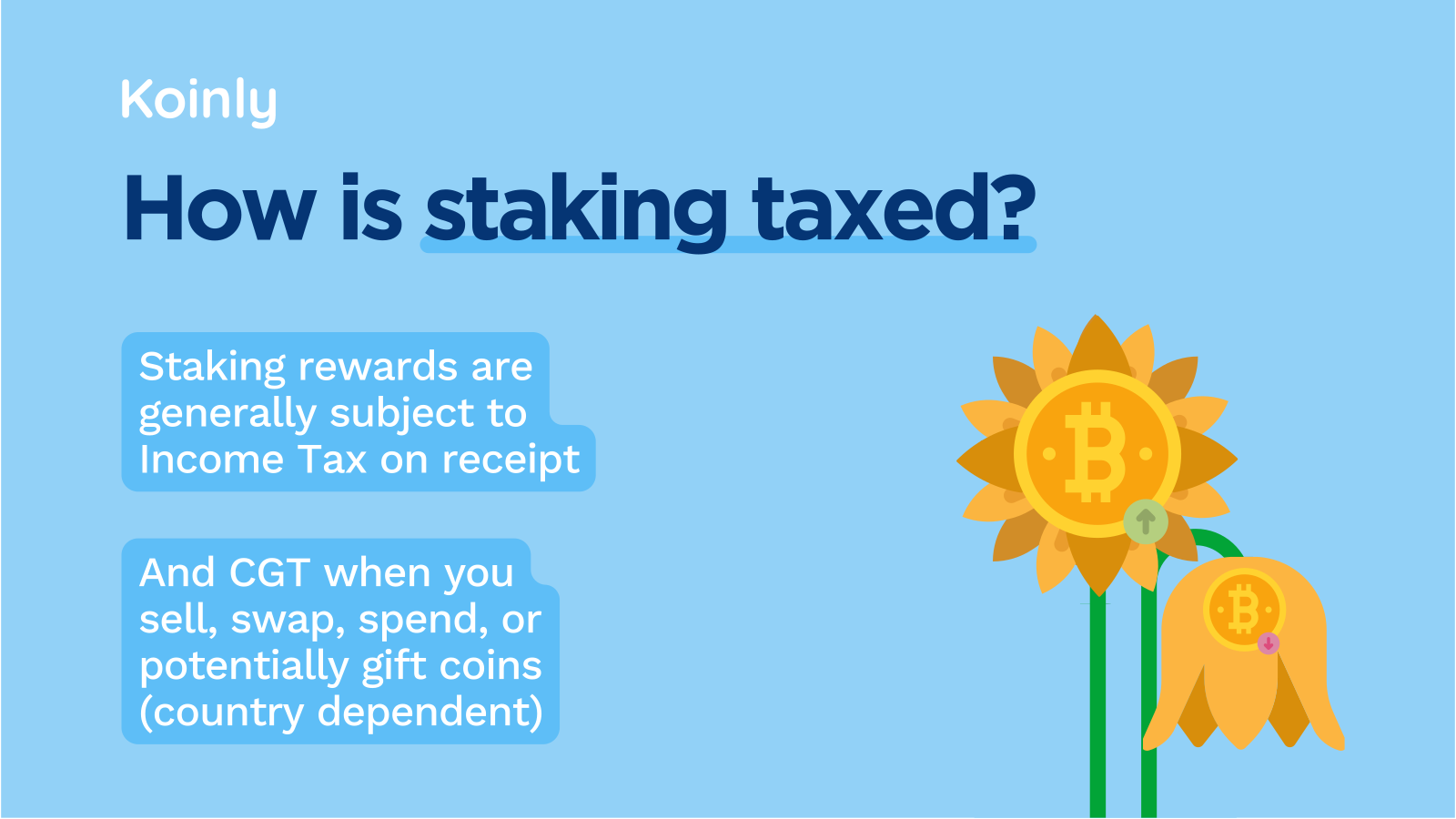
In the US, IRS treats staking as income; expect 1099 forms from exchanges. For UK folks, since Jan 1, 2026, platforms must report your details (name, DOB, NI number) and transactions to HMRC—or face a £300 fine. No more flying under the radar.
Bottom line: Bake taxes into your crypto staking math. A 10% APY might net 6-7% post-tax. Chat with a crypto-savvy tax pro to dodge headaches. professional who understands cryptocurrency—it’s worth the investment to avoid penalties down the road.
Making Your Decision
Crypto staking for beginners doesn’t need to feel daunting—it’s about smart homework. Peek beyond flashy APYs to real fees and liquidity. Can you handle weeks-locked funds? Vet platform security and reviews.
Crypto staking isn’t a lotto ticket; volatility bites, projects flop, rates dip. Winners view it as one slice of a diversified pie, not a quick buck. Once set with a trusty platform, though, it can deliver steady passive income while backing cool networks. Start tiny, learn as you go, and never stake what you can’t afford to tie up. Your wallet (and sanity) will appreciate it.
Helpful Resources
Ready to dive deeper? These trusted resources will help you continue your staking education:
- Ethereum.org Staking Guide – The official Ethereum Foundation documentation provides comprehensive, technical information about how staking works on the world’s second-largest blockchain. Essential reading if you’re considering ETH staking.
- Koinly Crypto Staking Tax Guide – A detailed breakdown of how staking rewards are taxed in the US, UK, Canada, and other countries. Includes practical examples and updated guidance for 2026 reporting requirements.
- IRS Digital Assets Guidance – Official guidance from the Internal Revenue Service on how to report cryptocurrency transactions, including staking rewards. The authoritative source for US tax compliance.
- Britannica Money: What Is Crypto Staking – An accessible, educational overview from a trusted source. Perfect for understanding the fundamentals without getting overwhelmed by technical jargon.
- Best Crypto to Stake in 2026 | Koinly – An independent comparison of the top staking cryptocurrencies with current APR rates, minimum requirements, and key considerations for each asset.
Disclaimer: This article is for educational purposes only and is not financial advice. Cryptocurrency is highly volatile and risky. Only invest money you can afford to lose. Past performance is no guarantee of future results. Always do your own research and consider consulting a qualified financial advisor.
