Infographic titled 'How to DYOR: Do Your Own Research' illustrating a comprehensive 4-step guide on how to DYOR crypto before investing.

How to DYOR crypto: The Ultimate Guide to Cryptocurrency Research

If you’ve been exploring the crypto space, you’ve probably heard the buzzword “DYOR” tossed around everywhere – it stands for Do Your Own Research. But what does it really mean when we talk about how to DYOR crypto? Well, it’s all about digging into projects yourself instead of blindly following hype on social media or […]

Read More »


DCA Explained conceptual chart showing steady crypto growth.

DCA Explained: Complete Beginner Guide with Advanced Tips

[TL;DR] Dollar-Cost Averaging (DCA) is the easiest way for beginners to invest in crypto without stressing over prices. You buy a fixed amount regularly (e.g., $50 weekly in Bitcoin), averaging costs over time. It reduces risk from volatility, removes emotional decisions, and works great long-term—even in dips. Start small, automate it, and avoid stopping during […]

Read More »
Simple illustration explaining how Bitcoin ETFs work for beginners

Bitcoin ETF for Beginners: A Simple Guide to Safe Investing

Hey there, crypto newcomer! If you’re searching for a bitcoin ETF for beginners, you’ve found the right guide. A Bitcoin ETF might be your perfect starting point if you want Bitcoin exposure without the hassle of wallets and exchanges. As of December 2025, with Bitcoin trading around $90,000 and the market more regulated than ever, […]

Read More »
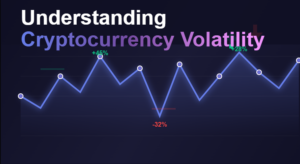
Understanding Cryptocurrency Volatility chart showing dramatic price fluctuations with upward and downward trends

Cryptocurrency Volatility: 5 Proven Strategies to Master Market Swings

If you’ve spent even five minutes watching cryptocurrency prices, you’ve probably experienced both excitement and panic within the same hour. Moreover, you’ve likely seen Bitcoin drop 15% one day and surge 20% the next. Additionally, you might be wondering: “Is this normal? Should I be worried?” Here’s the truth: Cryptocurrency volatility is completely normal—and it’s […]

Read More »