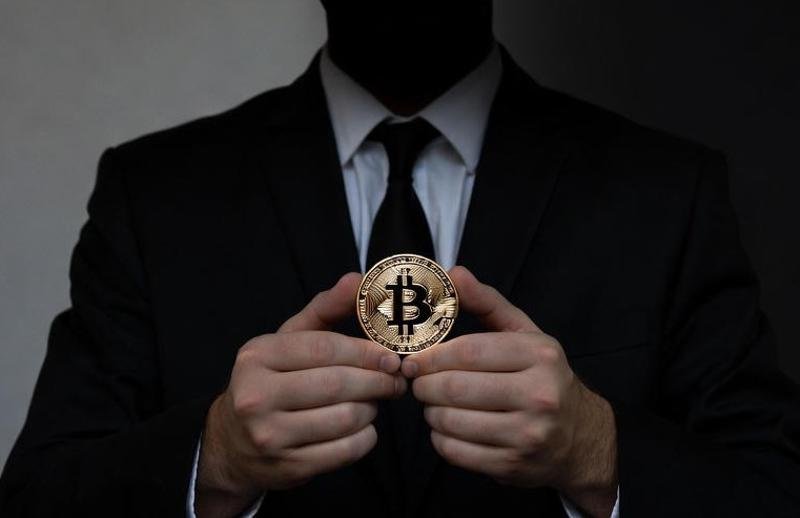
If you’re new to cryptocurrency, understanding its history isn’t just about geeking out over the past. It’s about learning from the moments that proved crypto was real, and from the catastrophic failures that showed us what can go spectacularly wrong. These stories will teach you more about approaching cryptocurrency than any technical manual ever could.
Let’s walk through the most critical moments in crypto history—the heroes who built something revolutionary, and the villains who nearly destroyed it all.
The Hall of Fame: The Builders & Visionaries
1. The Genesis Block: When One Person Changed Everything (2009)
The Personality: Satoshi Nakamoto (The Ghost)
On January 3, 2009, Satoshi Nakamoto mined the first Bitcoin block and embedded a message inside: “The Times 03/Jan/2009 Chancellor on brink of second bailout for banks.” This was a direct shot at the 2008 financial crisis—traditional finance had failed, and here was the alternative.
The Standout Detail: Satoshi mined approximately 1 million BTC (now worth over $100 billion) and then simply vanished in 2011. No cashing out, no claiming credit. They handed the keys to the community and disappeared—completely unheard of in business.
Beginner Lesson: Decentralization. The creator isn’t in charge anymore. No one is. Bitcoin works without Satoshi because it was designed to work without anyone being in control.
2. The 10,000 BTC Pizza: Proving Bitcoin Could Buy Real Things (2010)
The Personalities: Laszlo Hanyecz (The Hungry Developer) & Jeremy Sturdivant (The Pizza Guy)
On May 22, 2010, programmer Laszlo Hanyecz paid 10,000 BTC for two Papa John’s pizzas—about $41 at the time. Today? About $900 million. The most expensive pizza in history.
The Standout Detail: Laszlo doesn’t regret it. He proved Bitcoin could buy real things. Moreover, Jeremy spent the BTC on travel when they were worth a few hundred dollars—he didn’t become a billionaire either.
Beginner Lesson: Adoption. Currency only has value if people agree to trade it for things. Someone had to be first.
3. The Birth of “Programmable Money”: Beyond Just Currency (2015)
The Personality: Vitalik Buterin (The Boy Genius)
At 19, Russian-Canadian programmer Vitalik Buterin created Ethereum—a blockchain that could run applications and execute smart contracts automatically, without middlemen.
The Standout Detail: In 2022, Vitalik successfully executed “The Merge”—switching Ethereum’s entire network to energy-efficient proof-of-stake while it was live and running. It’s like changing a jet engine at 100mph.
Beginner Lesson: Utility. Crypto isn’t just digital gold; it’s a computer you can build apps on. DeFi, NFTs, and decentralized apps exist because Vitalik imagined programmable money.
4. The First Bitcoin Country: When a President Went All In (2021)
The Personality: Nayib Bukele (President of El Salvador)
In September 2021, El Salvador made Bitcoin legal tender. For the first time, a nation-state was betting its economic future on cryptocurrency.
The Standout Detail: Be honest about results—local adoption was slow and often forced rather than organic. In 2025, the law was downgraded to make Bitcoin acceptance optional again. However, El Salvador’s Bitcoin reserves appreciated significantly, proving crypto could operate at a national level—even if execution was messy.
Beginner Lesson: Volatility. Governments can support crypto, but they can’t control its price or force people to use it instantly. Real adoption happens organically, not through mandates.
5. The Wall Street Arrival: When the Skeptics Finally Joined (2024)
The Personality: Larry Fink (CEO of BlackRock)
On January 10, 2024, the SEC approved spot Bitcoin ETFs, opening crypto to retirement accounts and institutional investment. Leading this charge? BlackRock, the world’s largest asset manager.
The Standout Detail: Larry Fink’s flip-flop is legendary. In 2017, Bitcoin was an “index of money laundering.” By 2024: It’s “digital gold.” BlackRock’s Bitcoin ETF accumulated over $70 billion in its first year.
Beginner Lesson: Institutionalization. Crypto is no longer just for early adopters. It’s part of the global financial system now, available in 401(k)s and pension funds.
The Hall of Shame: The Scams & Crashes
6. The Mt. Gox Hack: When the Biggest Exchange Collapsed (2014)
The Personality: Mark Karpelès (The Incompetent CEO)
In 2014, Mt. Gox handled 70% of all Bitcoin trades. Then it suddenly shut down after losing 850,000 BTC—$450 million at the time—to hackers.
The Standout Detail: Investigators discovered the “Willy Bot”—a trading bot running inside Mt. Gox that artificially inflated prices. It wasn’t just external hackers; it was negligence and possible internal fraud.
Beginner Lesson: “Not Your Keys, Not Your Coins.” Never leave your life savings on a centralized exchange. If you don’t control the private keys, you don’t actually own the crypto.
7. The Silk Road Bust: When Bitcoin Got a Criminal Reputation (2013)
The Personality: Ross Ulbricht (Dread Pirate Roberts)
The Silk Road was a darknet marketplace for illegal goods using Bitcoin. In October 2013, the FBI arrested Ross Ulbricht, sentencing him to life in prison.
The Standout Detail: The FBI didn’t hack the blockchain—they caught him because he used his real email address on a forum years earlier. The blockchain actually helped trace the funds.
Beginner Lesson: Transparency. Bitcoin is pseudonymous, not anonymous. The blockchain is a public ledger that never forgets.
8. The BitConnect Ponzi: When Guaranteed Returns Were Too Good (2017)
The Personality: Carlos Matos (The Meme)
BitConnect promised 1% daily returns (which compounds to 3,600% annually). In January 2018, it collapsed, leaving thousands with nothing.
The Standout Detail: Carlos Matos’s conference speech became legendary: “Wassa wassa wassa BitConneeeect! Hey baby! You see this? This is real!” The manic energy became crypto’s most famous warning sign. Carlos was a victim who became the meme.
Beginner Lesson: Greed. If a project promises guaranteed high returns, it is a scam. 100% of the time. The math doesn’t work.
9. The “Smart” Crash: Terra/Luna’s $40 Billion Disaster (2022)
The Personality: Do Kwon (The Arrogant Founder)
Terra promised a “stablecoin” kept at $1 through algorithms, not dollars. In May 2022, UST lost its peg. LUNA supply exploded from 1 billion to 6 trillion tokens while its price plummeted to zero. Over $40 billion vanished in days.
The Standout Detail: Before the collapse, Do Kwon tweeted “I don’t debate poor people” and laughed at critics. After the collapse, he fled and was eventually sentenced to 15 years in prison for fraud.
Beginner Lesson: Complexity Risk. Just because code is “smart” doesn’t mean economics work. If you don’t understand where yield comes from, you are the yield. Hubris precedes catastrophic collapse.
10. The Corporate Fraud: FTX’s $8 Billion Heist (2022)
The Personality: Sam Bankman-Fried (SBF) (The Fake Altruist)
FTX was crypto’s darling. SBF appeared on magazine covers, testified before Congress, and preached “effective altruism.” Then in November 2022, it collapsed—FTX had secretly loaned $8 billion in customer funds to SBF’s trading firm, which lost it all.
The Standout Detail: SBF drove a Toyota Corolla and slept on a beanbag to look humble while buying $30 million penthouses. In March 2024, he was sentenced to 25 years in prison.
Beginner Lesson: Due Diligence. Celebrity endorsements and magazine covers don’t mean safety. Optics can be manufactured. Always look deeper—check for audits, regulatory compliance, and transparency.
What These 10 Timeless Crypto History Moments Teach Us Today
Looking at crypto history through these ten moments reveals important patterns:
The Heroes Showed Us What’s Possible: Satoshi proved decentralization works. Laszlo proved crypto has real utility. Vitalik proved crypto can be more than currency. These weren’t just technical achievements—they were proof of concept that challenged everything we thought we knew about money and technology.
The Villains Showed Us What to Avoid: Every major scam had visible red flags. Guaranteed returns, arrogant founders, lack of transparency, mixing customer funds—these patterns repeat in every disaster. The red flags are always there if you look for them.
Your Role as a Beginner: You’re entering crypto at a fascinating moment. The Wild West days are ending as regulation arrives. Wall Street has joined the party. The technology is maturing. But the fundamental lessons remain:
- Control your own keys when possible
- Never trust guaranteed returns
- Avoid complexity you don’t understand
- Watch for founder arrogance and opacity
- Start small and learn continuously
- Remember that boring strategies usually outperform exciting ones
Crypto history isn’t just about Bitcoin going from pennies to tens of thousands of dollars. It’s about human psychology—greed, fear, innovation, fraud, hope, and disappointment. It’s about the same patterns repeating in new forms. And most importantly, it’s about learning from those who came before you, both the heroes who built something revolutionary and the villains who tried to tear it all down.
The next chapter of crypto history is being written right now. By understanding these ten defining moments, you’re better equipped to participate wisely, spot red flags early, and maybe—just maybe—avoid becoming a cautionary tale yourself.
Welcome to crypto. The pizza’s on the house, but the lessons? Those you’ll have to earn.
Helpful Resources:
- Bitcoin Wiki: Genesis Block – Bitcoin’s first block
- Trakx: Bitcoin Pizza Day – The famous transaction
- Wired: Mt. Gox Collapse – How it happened
- FBI: Silk Road Case – Official details
- TechTimes: Do Kwon Sentenced – Terra aftermath
- Reuters: SBF Sentenced – FTX consequences
Disclaimer: This article is for educational purposes only and is not financial advice. Cryptocurrency is highly volatile and risky. Only invest money you can afford to lose. Past performance is no guarantee of future results. Always do your own research and consider consulting a qualified financial advisor.
