You’ve been holding onto your Bitcoin for months—or perhaps even years—and now you’re ready to convert crypto to cash and take some profits. Or maybe an emergency has arisen, and your crypto holdings are your most accessible liquid asset. Whatever the reason, you’re likely pondering a common question: “How do I actually convert crypto to cash?”
If you’re new to this, the process might seem daunting at first. After all, you’ve probably heard tales of people losing funds due to simple errors, enduring long waits for withdrawals, or facing surprise fees. However, the positive side is that once you grasp the basics, learning how to convert crypto to cash becomes straightforward and manageable. In fact, this guide will walk you through each step clearly and safely.
According to the latest data, centralized exchanges continue to dominate as the primary way to convert crypto to cash, capturing around 87% of the market share for trading in 2026. This is largely due to their user-friendly interfaces and robust security features. So, let’s dive in and explore how to convert crypto to cash efficiently.
Disclaimer: This is educational only, not financial/tax advice. Crypto involves risks; consult professionals. Fees and policies change—verify with platforms.
Why You Might Want to Convert Crypto to Cash
Before we jump into the “how,” it’s helpful to first consider the “why.” Understanding your reasons for wanting to convert crypto to cash can guide you toward the most suitable method.
Taking profits is a smart move. Suppose you bought Bitcoin at $30,000, and now it’s valued at $100,000. Locking in those gains through converting crypto to cash is sound financial planning—it’s not about abandoning crypto altogether.
Cover expenses. Life can throw curveballs like rent payments, medical bills, or other real-world costs. In such cases, converting crypto to cash offers immediate liquidity when you need it most.
Rebalancing your portfolio is another common motivation. By diversifying from crypto into stocks, bonds, or real estate, you can reduce overall risk. Therefore, converting crypto to cash helps achieve that balance.
Reducing volatility exposure can bring peace of mind. If market swings are keeping you up at night, converting some holdings to cash allows you to rest easier.
No matter your motive, there’s absolutely no shame in deciding to convert crypto to cash. After all, your financial well-being takes precedence over impressing crypto enthusiasts on social media.
Understanding the 6 Main Methods to Convert Crypto to Cash
There are several reliable ways to convert crypto to cash, each offering unique benefits in terms of fees, speed, and convenience. Here’s a quick overview to help you choose:
| Method | Pros | Cons | Best For | Processing Time | Fees |
|---|---|---|---|---|---|
| Centralized Exchanges (Most Popular) | User-friendly, secure, supports many cryptos | KYC required, withdrawal fees | Beginners and most users | 1-5 business days | 0.1-2% trading + $0-5 withdrawal |
| Peer-to-Peer (P2P) Platforms | Better rates, diverse payment options, more privacy | Higher scam risk, more effort needed | Experienced users seeking better deals | Varies, often instant | Low to none, but variable |
| Bitcoin ATMs | Instant cash, no bank needed, semi-anonymous | High fees (6-20%), low limits ($500-900) | Quick small cash needs | Immediate | 6-20% |
| Crypto Debit Cards | Spend like regular money, gradual conversion | Transaction fees, not ideal for large sums | Everyday spending | Instant at POS/ATM | 1-3% per use |
| Payment Apps (e.g., PayPal, Cash App) | Convenient for existing users, fast | Limited crypto options, no external transfers in | Small amounts bought on-platform | 1-3 days | 0.5-2% |
| Stablecoin Fiat Ramps (Emerging) | Fast conversions, low fees via apps/exchanges | Requires stablecoin knowledge, varying availability | Global/quick transfers | Minutes to hours | 0-1% |
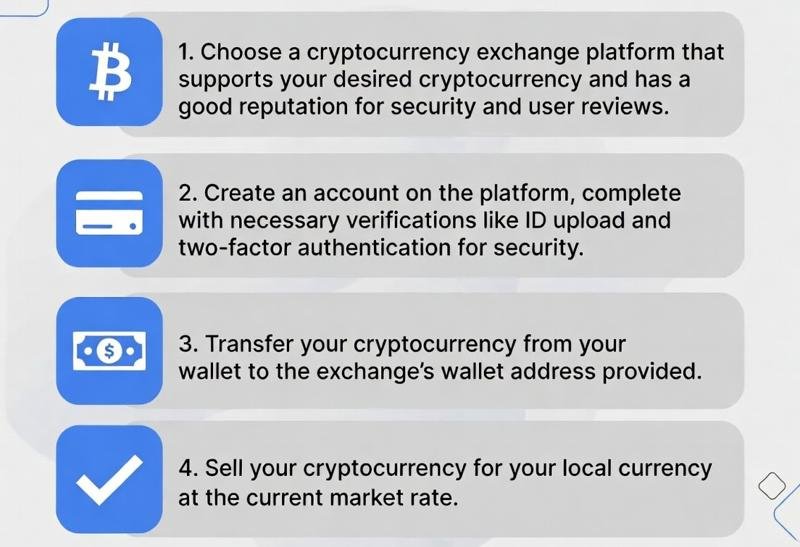
For visual clarity, here’s an infographic comparing these methods to convert crypto to cash:

This guide primarily focuses on centralized exchanges, as they provide the optimal mix of security, ease, and affordability for beginners. However, we’ll touch on the others for completeness.
Method 1: Centralized Exchanges (Most Popular)
Platforms like Coinbase, Kraken, and Binance allow you to sell crypto for fiat and withdraw directly to your bank. This is ideal for most people.
Method 2: Peer-to-Peer (P2P) Platforms
Services such as Binance P2P, OKX P2P, and Noones connect you with buyers for cash, bank transfers, or other methods. Be cautious of scams.
Method 3: Bitcoin ATMs
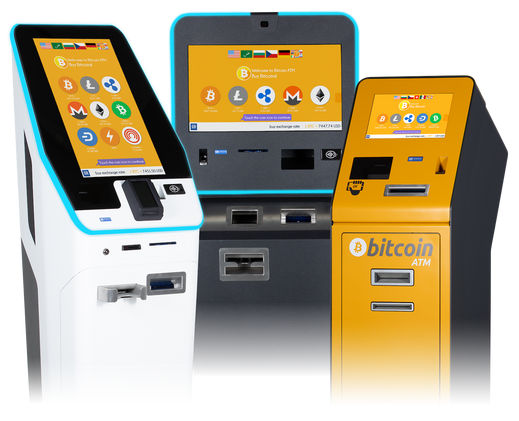
These physical machines let you send crypto and get cash instantly. With over 38,000 ATMs worldwide as of early 2026, they’re handy for urgent needs. Here’s an example of a Bitcoin ATM:
Method 4: Crypto Debit Cards
Cards from providers like Crypto.com or BitPay convert crypto to fiat automatically when spending or withdrawing. For example, a typical crypto debit card looks like this:
.webp)
Method 5: Payment Apps (PayPal, Cash App)
These now support crypto sales with bank withdrawals. In 2026, PayPal’s “Pay with Crypto” feature enables instant conversions, while Cash App adds stablecoin send/receive for faster fiat access.
Method 6: Stablecoin Fiat Ramps
Convert crypto to stablecoins like USDC or USDT, then use apps or exchanges for quick fiat off-ramps. This is growing in 2026 with better integrations for low-cost, fast transfers.
Step-by-Step: How to Convert Crypto to Cash on an Exchange
Now, let’s get practical. Here’s the detailed process to convert crypto to cash using a centralized exchange like Coinbase—though the steps are similar on Kraken, Binance, or Gemini.
Step 1: Choose a Reputable Exchange
First, if you don’t have an account, pick a trusted one. Top options for 2026 include:
- Coinbase: Beginner-friendly with a sleek interface, though fees are higher (0-0.6% maker/taker).
- Kraken: Great for larger amounts with low fees (0-0.16% maker).
- Binance: Feature-rich with the lowest fees (0-0.1%), but can overwhelm newbies.
- Gemini: Strong on security and regulation, mid-range fees.
Compare fees before proceeding, as they vary.
Step 2: Complete KYC Verification
Next, verify your identity—this is mandatory for withdrawals. The process typically involves uploading an ID, a selfie, and sometimes proof of address. It might take minutes to days, so do this early.
Step 3: Transfer Crypto to Your Exchange Wallet
If your crypto is in an external wallet, send it over. Log in, find the deposit address, copy it carefully, and transfer from your wallet. Always double-check addresses to avoid losses.
Step 4: Sell Your Crypto for Fiat Currency
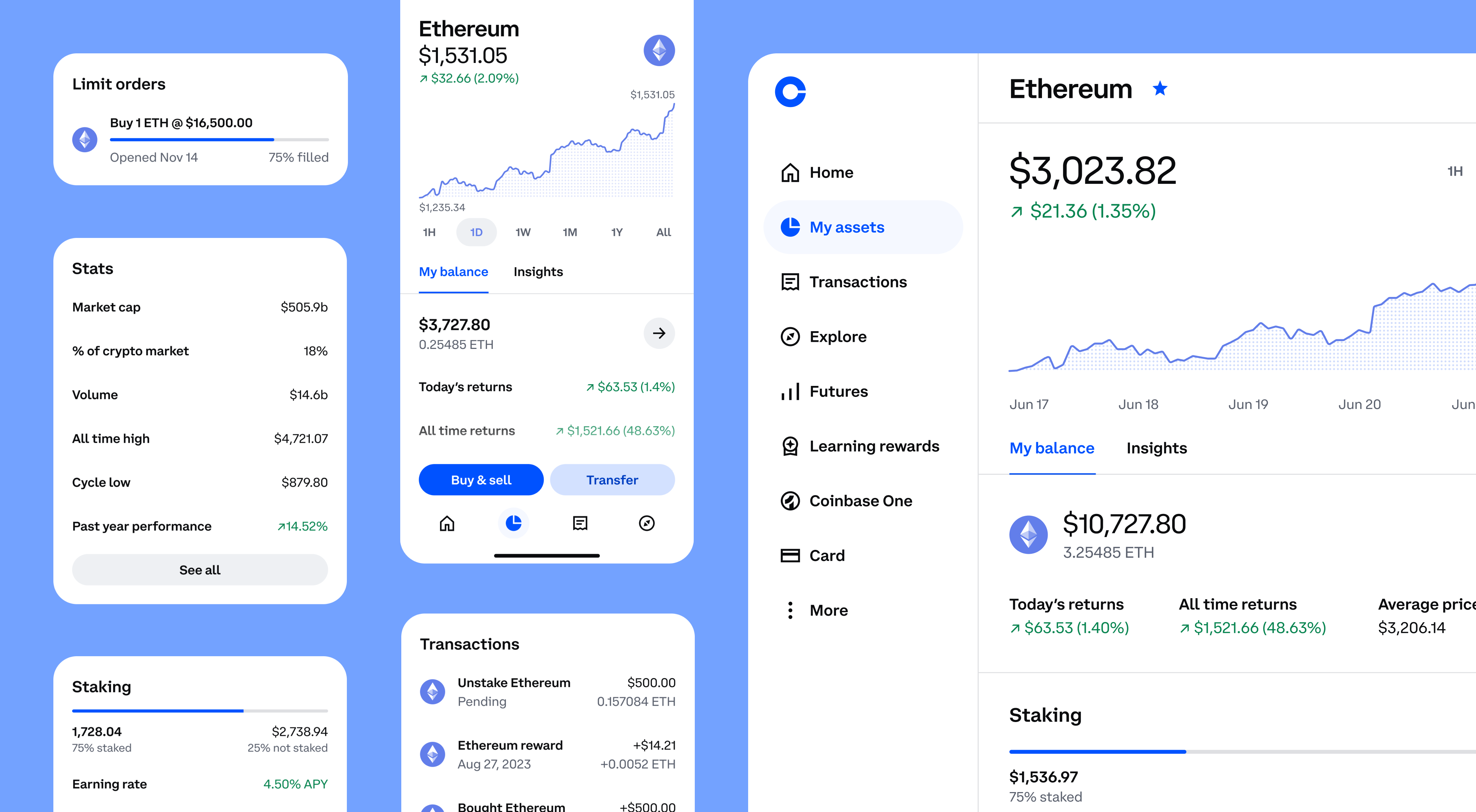
Once deposited, navigate to the sell section. Select your crypto, fiat (e.g., USD), amount, and order type (market for beginners). Confirm, and it’s done instantly. For reference, here’s a screenshot of Coinbase’s sell interface:
Step 5: Withdraw Cash to Your Bank Account
Finally, head to withdrawals, add your bank if needed, enter the amount, and choose speed (standard: 1-3 days, free; instant: fee-based). Confirm via email.
Pro tip: Start withdrawals mid-week to dodge weekend delays.
Fees Breakdown: What Will It Cost to Convert Crypto to Cash?
Fees can add up, so understanding them is crucial. Here’s a typical breakdown:
| Fee Type | Coinbase | Kraken | Binance |
|---|---|---|---|
| Trading (Maker/Taker) | 0-0.60% / 0.01-1.20% | 0-0.16% / 0-0.26% | 0-0.10% / 0.01-0.10% |
| Withdrawal (ACH/Wire) | $0-5 / $10-25 | Free / $10-20 | Free / $20-50 |
| Network (e.g., Bitcoin/Ethereum) | $1-5 / $1-10 | Varies | Varies |
For example, converting $10,000 Bitcoin on Coinbase might cost ~1% total. Always compare to save.
Critical Tax Implications You Must Understand
One key aspect many overlook: converting crypto to cash triggers a taxable event. In most countries, including the US, the IRS treats cryptocurrency as property, meaning you owe capital gains tax.
How Is Crypto Taxed? (2025) IRS Rules and How to File | Gordon Law …
If you bought 1 BTC for $30,000 and sell for $100,000, your gain is $70,000. Long-term (over 1 year): 0-20%; short-term: 10-37%.
Starting with 2025 transactions (reported in 2026), brokers use Form 1099-DA for gross proceeds; basis reporting begins 2026. Track your basis, record sales, report on Form 8949/Schedule D, and set aside 15-30% for taxes. Tools like Koinly help automate this.
Common Mistakes to Avoid When Converting Crypto to Cash
From experience, here are pitfalls to sidestep:
- Not verifying early—delays cash-outs
- Wrong addresses—funds lost forever
- Ignoring limits—check daily/monthly caps
- High congestion transfers—use tools like mempool.space
- Forgetting taxes—don’t spend it all.
How Long Does It Take to Convert Crypto to Cash?
Timelines vary:
- Crypto on exchange: Sell instant, withdraw 1-3 days.
- From external wallet: Transfer 10-60 min + above.
- Instant options: ATMs (15-30 min), cards (immediate).
Security Tips for Safe Ways to Convert Crypto to Cash
Protect yourself: Enable 2FA, use strong passwords, verify emails, whitelist addresses, test small amounts, and check bank policies.
When You Shouldn’t Convert Crypto to Cash (Yet)
Sometimes, patience pays off. For example, during panic sells, wait for recovery. Or before tax year-end—delay to postpone bills. If unneeded, consider long-term potential. Before upgrades, holding might boost value.
The Bottom Line: Your Money, Your Choice
Mastering how to convert crypto to cash empowers you with control. Whether taking profits or diversifying, the process is straightforward once learned.
Key takeaways:
- Centralized exchanges are safest for beginners.
- Verify early and understand fees/taxes.
- Start small, double-check everything.
Converting crypto to cash isn’t “quitting”—it’s smart management. You can always re-enter later.
Helpful Resources:
- Coinbase: How to Cash Out – Official withdrawal guide
- Kraken: Deposit and Withdrawal Guide – Fee structures and methods
- Koinly: How to Cash Out Bitcoin – Tax considerations
- BitPay: Cash Out Bitcoin Guide – Method comparisons
- TokenTax: How to Cash Out Crypto – Tax planning strategies
- Coin ATM Radar – Find Bitcoin ATMs near you
Disclaimer: This article is for educational purposes only and is not financial advice. Cryptocurrency is highly volatile and risky. Only invest money you can afford to lose. Past performance is no guarantee of future results. Always do your own research and consider consulting a qualified financial advisor.
